
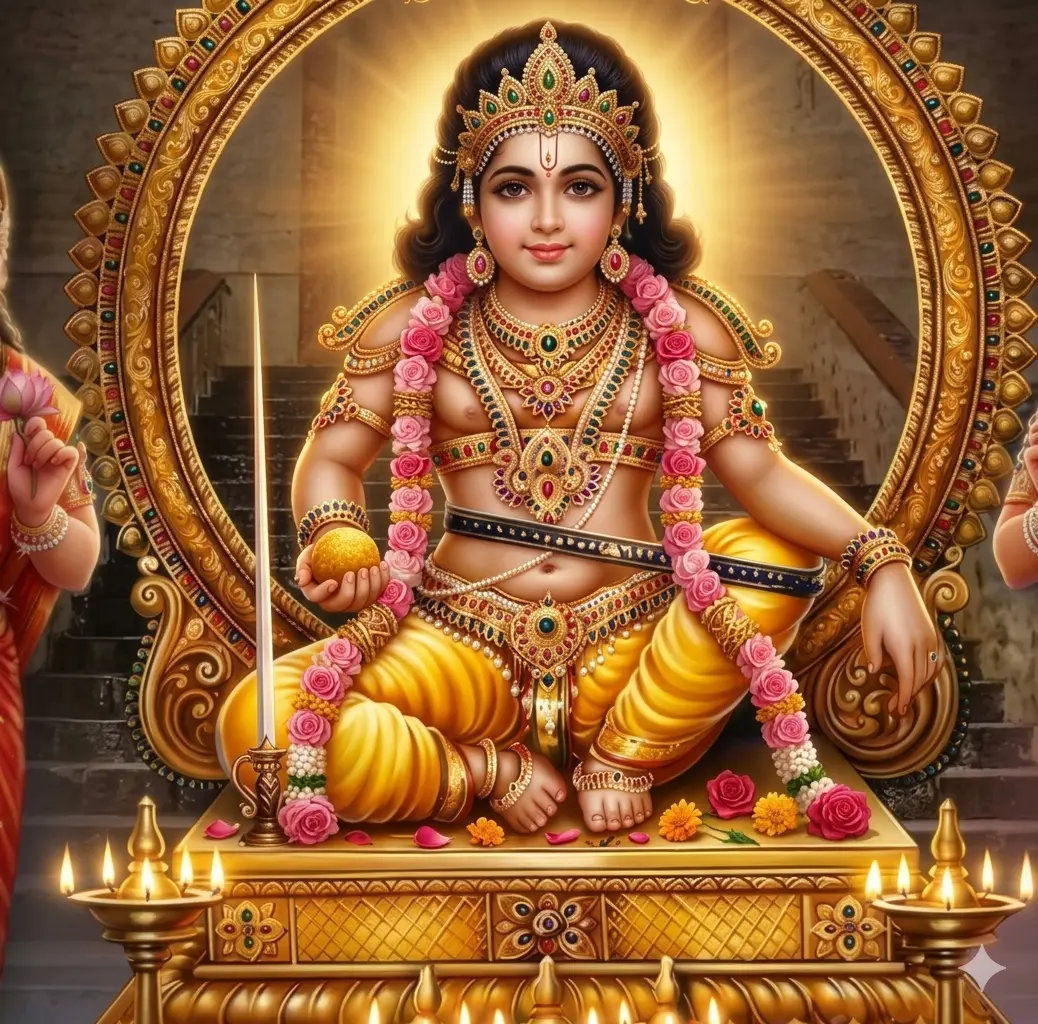
ചരിത്രവും അത്ഭുതങ്ങളും ഐതിഹ്യങ്ങളും
പശ്ചിമഘട്ടത്തിലെ ഇടതൂർന്ന, മന്ത്രിക്കുന്ന വനങ്ങൾ നിരവധി പുരാതന രഹസ്യങ്ങളെ കാത്തുസൂക്ഷിക്കുന്നു. അവയിൽ അച്ചൻകോവിൽ ശ്രീ ധർമ്മശാസ്താ ക്ഷേത്രം ഒരു സവിശേഷ ആത്മീയ സങ്കേതമായി നിലകൊള്ളുന്നു. കേരളത്തിലെ കൊല്ലം ജില്ലയിൽ സ്ഥിതി ചെയ്യുന്ന ഈ പുണ്യക്ഷേത്രത്തിന്, യോദ്ധാവായ പരശുരാമൻ പ്രതിഷ്ഠിച്ച അഞ്ച് പ്രാചീന അയ്യപ്പ ക്ഷേത്രങ്ങളിൽ ഐതിഹാസികമായ സ്ഥാനമുണ്ട്.
ശബരിമലയിലെ ബ്രഹ്മചാരിയായ പ്രതിഷ്ഠയിൽ നിന്ന് വ്യത്യസ്തമായി, ഇവിടെയുള്ള ഭഗവാൻ പൂർണ്ണ, പുഷ്കല എന്നീ ദേവിമാരോടൊപ്പം കുടുംബസ്ഥനായി (ഗൃഹസ്ഥനായി) വാഴുന്ന അച്ചൻകോവിൽ അർശൻ (അച്ചൻകോവിലരശൻ) ആയി ആരാധിക്കപ്പെടുന്നു. കൗതുകകരമെന്ന് പറയട്ടെ, നൂറ്റാണ്ടുകളുടെ പഴക്കമുണ്ടെങ്കിലും അവിടുത്തെ പ്രാചീന വിഗ്രഹം യാതൊരു കേടുപാടുകളും കൂടാതെ പൂർണ്ണമായി നിലനിൽക്കുന്ന ഒരേയൊരു ക്ഷേത്രവും ഇതാണ്.
കേരളത്തിലെ പ്രശസ്തമായ ക്ഷേത്രങ്ങളിലൂടെയുള്ള ഒരു ആത്മീയ യാത്രയാണ് നിങ്ങൾ പ്ലാൻ ചെയ്യുന്നതെങ്കിൽ, ചരിത്രവും ദൈവീക ഇടപെടലുകളും ആഴത്തിൽ വേരൂന്നിയ ആചാരങ്ങളും ഇഴചേർന്ന ഈ വനക്ഷേത്രം നിങ്ങൾക്ക് ഒരു അപൂർവ്വ അനുഭവമായിരിക്കും.
വലിയ കാട്ടുതീയും തമിഴ് വാസ്തുവിദ്യാ സ്വാധീനവും:
കാലത്തിലൂടെയുള്ള ഈ ക്ഷേത്രത്തിന്റെ യാത്ര സമാധാനപരമായിരുന്നില്ല എന്ന് ചരിത്രം പറയുന്നു. പതിമൂന്നാം നൂറ്റാണ്ടിൽ എപ്പോഴോ ഉണ്ടായ ഒരു ഭീകരമായ കാട്ടുതീ ഈ പ്രദേശത്തെ വിഴുങ്ങുകയും, მთელი ക്ഷേത്ര സമുച്ചയം ചാരമായി മാറുകയും ചെയ്തു.
ഒരു ദിവ്യ രക്ഷപ്പെടുത്തൽ: ആസന്നമായ അപകടം മണത്തറിഞ്ഞ മുഖ്യപ്രധാനി, അതിസാഹസികമായി തിരുമേനിയെ (പവിത്രമായ വിഗ്രഹം) രക്ഷിച്ച് ‘ശാന്തി മടം’ എന്ന താൽക്കാലിക ഷെൽട്ടറിലേക്ക് മാറ്റിസ്ഥാപിച്ചു.
ഏകദേശം 80 വർഷത്തോളം ഈ താൽക്കാലിക സങ്കേതത്തിൽ ഭഗവാനെ രഹസ്യമായി ആരാധിച്ചുപോന്നു. പിന്നീട്, ഭക്തർക്ക് ക്ഷേത്രത്തിൽ എത്തുവാൻ കൂടുതൽ എളുപ്പത്തിനായി, ആഴത്തിലുള്ളതും കടന്നുചെല്ലാൻ പ്രയാBകരവുമായ കാട്ടിൽ നിന്ന് മാറി പുതിയൊരു ക്ഷേതം നിർമ്മിച്ചു. അതിർത്തി പ്രദേശത്തോടുള്ള ഭൂമിശാസ്ത്രപരമായ സാമീപ്യം കാരണം, പുനർനിർമ്മിച്ച ഈ ക്ഷേത്രത്തിന് തമിഴ് വാസ്തുവിദ്യാ ശൈലിയുടെ കടുത്ത സ്വാധീനമുണ്ട്. ഇത് കേരളവും തമിഴ്നാടും തമ്മിലുള്ള മനോഹരമായ ഒരു സാംസ്കാരിക പാലമായി നിലകൊള്ളുന്നു.
കുറുപ്പൻ തുളളലും ബ്രിട്ടീഷ് ഉദ്യോഗസ്ഥന്റെ അത്ഭുതവും:
ഇവിടെയുള്ള ഏറ്റവും പ്രമുഖമായ ആഘോഷങ്ങളിൽ ഒന്നാണ് കുറുപ്പൻ തുള്ളൽ എന്ന അനുഷ്ഠാന കലയോടുകൂടിയുള്ള വിഖ്യാതമായ രഥോത്സവം. ബ്രിട്ടീഷ് കൊളോണിയൽ കാലഘട്ടത്തിൽ, ഭഗവാന്റെ ശക്തിയെ പ്രാദേശിക ചരിത്രത്തിൽ എക്കാലവും അടയാളപ്പെടുത്തിയ ഒരു കൗതുകകരമായ സംഭവം നടന്നു.
വാർഷിക ഉത്സവം നടത്തുന്നതിനായി ഫണ്ട് ആവശ്യപ്പെട്ടുകൊണ്ട് പ്രാദേശിക സംഘാടകർ ചുമതലയുണ്ടായിരുന്ന ബ്രിട്ടീഷ് ഉദ്യോഗസ്ഥനെ സമീപിച്ചു. ആ ഉദ്യോഗസ്ഥൻ ഈ അനുഷ്ഠാനത്തെ അന്ധവിശ്വാസം മാത്രമാണെന്ന് പറഞ്ഞ് തള്ളിക്കളയുകയും പണം അനുവദിക്കാൻ വിസമ്മതിക്കുകയും ചെയ്തു. എങ്കിലും, ജനങ്ങളിൽ നിന്നുള്ള ശക്തമായ സമ്മർദ്ദം കാരണം, ഒടുവിൽ അദ്ദേഹം ചില നിബന്ധനകളോടെ അനുമതി നൽകി – എന്നാൽ അതൊരു ക്രൂരമായ പരീക്ഷണമായിരുന്നു.
ഭഗവാനെ പരീക്ഷിക്കുന്നതിനായി, ആ രോഷാകുലനായ ഉദ്യോഗസ്ഥൻ ഭീകരമായ ഒരു അരങ്ങ് തയ്യാറാക്കി. അനുഷ്ഠാന വേദിയുടെ അടിയിൽ കത്തുന്ന കനലുകൾ കുഴിച്ചിടുകയും, ഉപരിതലത്തിൽ പഴുപ്പിച്ച ചങ്ങലകൾ വയ്ക്കുകയും, വേദിയുടെ ചുറ്റും ദുർഗന്ധം വമിക്കുന്ന മദ്യക്കുപ്പികൾ വെക്കുകയും ചെയ്തു.
തുടർന്ന് സംഭവിച്ചത് സാക്ഷികളെപ്പോലും അമ്പരപ്പിച്ചു:
അനുഷ്ഠാനം ആരംഭിച്ചതോടെ, ദുർഗന്ധം വമിക്കുന്ന മദ്യക്കുപ്പികൾ ദുരൂഹമായ രീതിയിൽ അന്തരീക്ഷത്തിൽ അപ്രത്യക്ഷമായി.
വെളിച്ചപ്പാട് അഗാധമായ ഒരു ദിവ്യ ട്രാൻസിലേക്ക് (പൂജാ വേളയിലെ പവിത്രമായ അവസ്ഥ) പ്രവേശിച്ചു, അതോടെ അദ്ദേഹത്തിന് താഴെയുള്ള ഭൂമി പിളർന്നു മാറി.
ഒതുക്കാൻ കഴിയില്ലെന്ന് കുപ്രസിദ്ധി നേടിയ ബ്രിട്ടീഷ് ഉദ്യോഗസ്ഥന്റെ കാട്ടുക്കുതിര പെട്ടെന്ന് തലകുനിച്ച് വണങ്ങുകയും, വെളിച്ചപ്പാടിന് അതിൽ കയറി ഇരിക്കാൻ സൗകര്യമൊരുക്കുകയും ചെയ്തു.
വെളിച്ചപ്പാട് നഗ്നഹൈതങ്ങളാൽ പഴുത്ത ഇരുമ്പ് ചങ്ങലകൾ കയ്യിലെടുത്ത് ഒരു മാല പോലെ ധരിച്ച്, ഒരിടത്തുപോലും പൊള്ളലേറ്റ പാടുകളില്ലാതെ നൃത്തം ചെയ്തതോടെ ക്ലൈമാക്സ് എത്തി. ഭയന്നുവിറച്ച ബ്രിട്ടീഷ് ഉദ്യോഗസ്ഥനോട് ചങ്ങലയിൽ തൊടാൻ കൽപിച്ചപ്പോൾ, അത് ഐസ് പോലെ തണുത്തതായി അനുഭവപ്പെട്ടു. എന്നാൽ, വെളിച്ചപ്പാട് അത് താഴെയിട്ട് രണ്ടാമതും തൊടാൻ ആവശ്യപ്പെട്ടപ്പോൾ, ആ ലോഹം ഉദ്യോഗസ്ഥന്റെ കൈ ഗുരുതരമായി പൊള്ളിച്ചു. പരമോന്നത ദൈവീക ഊർജ്ജം തിരിച്ചറിഞ്ഞ കൊളോണിയൽ ഉദ്യോഗസ്ഥൻ ഉടൻ തന്നെ മാപ്പപേക്ഷിച്ചു.
ആറന്മുള തേക്കിന്റെ ദുരൂഹമായ കഥ:
അച്ചൻകോവിലിന്റെ അമാനുഷിക കാവൽ ക്ഷേത്രമതിലുകൾക്കപ്പുറത്തേക്ക് വ്യാപിച്ചുകിടക്കുന്നു. വർഷങ്ങൾക്ക് മുമ്പ്, ചരിത്രപ്രസിദ്ധമായ ആറന്മുള പാർത്ഥസാരഥി ക്ഷേത്രത്തിലെ പുതിയ കൊടിമരത്തിനായി (ധ്വജസ്തംഭം) അച്ചൻകോവിൽ വനങ്ങളിൽ നിന്ന് വലിയൊരു തേക്ക് മരം കണ്ടെത്തി.
മുപ്പതിലധികം ആളുകളുടെ കഠിനമായ പരിശ്രമത്തിനൊടുവിലാണ് ഈ വലിയ മരം വെട്ടി നദീതീരത്തേക്ക് വലിച്ചെത്തിച്ചത്. എന്നാൽ വിചിത്രമെന്നു പറയട്ടെ, പിറ്റേന്ന് രാവിലെ തൊഴിലാളികൾ തിരിച്ചെത്തിയപ്പോൾ, ആ വലിയ തേക്ക് തടി അപ്രത്യക്ഷമായിരുന്നു. ഒടുവിൽ വനത്തിൽ മരം യഥാർത്ഥത്തിൽ വെട്ടിമാറ്റിയ അതേ സ്ഥലത്ത് തന്നെ അത് വീണ്ടും ഇരിക്കുന്നത് അവർ കണ്ടെത്തി.
ഈ വിചിത്ര പ്രതിഭാസം പലതവണ ആവർത്തിക്കപ്പെട്ടു. ഭയന്നുപോയ തൊഴിലാളികൾ പണി ഉപേക്ഷിച്ച് ഓടിപ്പോയി. ഒടുവിൽ മുഖ്യ ജ്യോതിഷികൾ ദേവപ്രശ്നം നടത്തി, അച്ചൻകോവിലെ ഭഗവാനോട് അനുവാദം ചോദിക്കാൻ മരം വെട്ടുകാർക്ക് കഴിയാത്തതുകൊണ്ടാണ് മരം നീക്കം ചെയ്യപ്പെട്ടത് എന്ന് വെളിപ്പെടുത്തി. നിർദ്ദിഷ്ട പരിഹാര ക്രിയകൾ ചെയ്തുകഴിഞ്ഞപ്പോൾ, വലിയ തേക്ക് തടി അത്ഭുതകരമായി സ്വന്തം നിലയിൽ നദീതീരത്തേക്ക് തിരിച്ചെത്തി. കാടിന്റെ നിത്യരക്ഷകരായി വർത്തിക്കുന്ന കറുപ്പസ്വാമിക്കും അദ്ദേഹത്തിന്റെ ദിവ്യസൈന്യത്തിനുമാണ് പ്രാദേശിക ഐതിഹ്യം ഈ അത്ഭുതത്തിന്റെ ക്രെഡിറ്റ് നൽകുന്നത്.
അദ്വിതീയ ആചാരങ്ങൾ: വലിയ പുഷ്പാഭിഷേകവും പാമ്പുകടിക്ക് പരിഹാരവും:
ഇന്ന്, കേരളത്തിലെ ഏറ്റവും വലിയ പുഷ്പാഭിഷേകം നടക്കുന്ന ഇടമെന്ന നിലയിൽ അച്ചൻകോവിൽ ക്ഷേത്രം വ്യാപകമായി അറിയപ്പെടുന്നു. ഭഗവാന് ചാർത്താനായി അയൽ സംസ്ഥാനങ്ങളിൽ നിന്ന് വലിയ അളവിലാണ് ഊർജ്ജസ്വലമായ പൂക്കൾ വലിയ കെട്ടുകളായി കൊണ്ടുവരുന്നത്.
കൂടാതെ, ഇവിടുത്തെ ഭഗവാൻ മഹാ വൈദ്യനായി (പരമ വൈദ്യനായി) ആരാധിക്കപ്പെടുന്നു. രാത്രിയിൽ പ്രധാന ശ്രീകോവിൽ അടച്ചതിനുശേഷവും, കീഴ്ശാന്തി (സഹായിയായ പൂജാരി) ക്ഷേത്ര പരിസരത്ത് തന്നെ ഉണ്ടാകും. ആരെങ്കിലും വിഷപ്പാമ്പുകടിയേറ്റു വന്നാൽ ക്ഷേത്രനട വീണ്ടും തുറക്കും. ഭഗവാന്റെ വിഗ്രഹത്തിന്റെ വലതു കയ്യിൽ തീർത്ഥവും ചന്ദനവും ഉണ്ട്, വിഷം നിർവീര്യമാക്കാനുള്ള പരമ്പരാഗത മരുന്നായി ഇത് ഭക്തർക്ക് നൽകുന്നു.
അമ്മൻകോവിലിന്റെയും ഉപദേവന്മാരുടെയും ഐതിഹ്യം:
അച്ചൻകോവിലിന്റെ ആത്മീയ പശ്ചാത്തലത്തിൽ കൗതുകകരമായ ചെറിയ ഉപക്ഷേത്രങ്ങളും ഉൾപ്പെടുന്നു. ചരിത്രപരമായി, പ്രധാന സമുച്ചയത്തിന് സമീപം 6 അടി ഉയരമുള്ള വനദുർഗ്ഗയുടെ ഉഗ്രമായ ഒരു വിഗ്രഹം ഉണ്ടായിരുന്നു, അവിടെ ഉച്ചയ്ക്ക് മാത്രമായിരുന്നു പൂജകൾ നടത്തിയിരുന്നത്. ഒരു പൂജാരി ദുരൂഹമായി തിരോധാനമായതിനെ തുടർന്ന് നടത്തിയ ദേവപ്രശ്നത്തിൽ, ദേവിയുടെ അതിതീവ്രമായ ഊർജ്ജം നിയന്ത്രിക്കാനാവാത്തതായി മാറിയിരുന്നു എന്ന് വെളിപ്പെട്ടു.
സന്തുലിതാവസ്ഥ വീണ്ടെടുക്കുന്നതിനായി, പൂജാരിമാർ യഥാർത്ഥ ശിലാവിഗ്രഹം തലകീഴായി നിലത്തുനിന്ന് 40 അടി ആഴത്തിൽ കുഴിച്ചിട്ടു. തുടർന്ന് അവളുടെ ആത്മീയ ഊർജ്ജത്തെ ശാന്തമായ രണ്ട് രൂപങ്ങളായി വിഭജിക്കുകയും, അവയെ ഇപ്പോൾ അടുത്തുള്ള അമ്മൻകോവിൽ ക്ഷേത്രത്തിൽ സുരക്ഷിതമായി പ്രതിഷ്ഠിക്കുകയും ചെയ്തു.
അതുപോലെ, ഈ ക്ഷേത്രം ഒരിക്കൽ കാന്തമലയുടെ ആഴത്തിലുള്ള കാടുകൾക്കുള്ളിലായിരുന്നു സ്ഥിതി ചെയ്തിരുന്നതെന്ന് പ്രാദേശിക ഐതിഹ്യങ്ങൾ നമ്മോട് പറയുന്നു. വലിയൊരു തീപിടുത്തത്തെ തുടർന്ന്, വിഗ്രഹം സുരക്ഷിതമായി കോടമലയിലേക്ക് മാറ്റി, എന്നാൽ ഭഗവാന്റെ തിരുവായുധം (വാൾ) അവിടെ ഉപേക്ഷിക്കപ്പെട്ടു. നൂറ്റാണ്ടുകളിക്ക് ശേഷം, ദുരൂഹത നിറഞ്ഞ ഒരു ദിവ്യബാലൻ കാട്ടിൽ നിന്ന് പുറത്തുവന്ന് നഷ്ടപ്പെട്ട ആ പഴയ വാൾ മുഖ്യ പൂജാരിക്ക് തിരികെ നൽകി.
അച്ചൻകോവിലിന്റെ കാവൽ ദേവതകൾ:
നിങ്ങൾ സന്ദർശിക്കുമ്പോൾ, അപൂർവ്വമായ ഗോത്ര-ദ്രാവിഡ വംശപാരമ്പര്യം പ്രതിഫലിപ്പിക്കുന്ന തനതായ നിരവധി ഉപദേവന്മാരെ നിങ്ങൾക്ക് കാണാൻ കഴിയും. അവരിൽ ഏറ്റവും പ്രമുഖൻ കാളയുടെ തലയും മനുഷ്യന്റെ ഉടലും ഉള്ള കാലമാടൻ ആണ്.
ക്ഷേത്ര സമുച്ചയത്തിൽ സുരക്ഷിതമായി നിലകൊള്ളുന്നത്:
ഗണപതി ഭഗവാൻ, വിഷ്ണു ഭഗവാൻ, സുബ്രഹ്മണ്യ സ്വാമി
കറുപ്പസ്വാമിയും കറുപ്പായി അമ്മയും
ചെപ്പണി മുണ്ടനും ചപ്പാനി മാടനും
മാടൻ തേവനും കൊച്ചട്ടി നാരായണനും
ശെങ്കലി ഭൂതത്താൻ (അറുകോല)
മാളികപ്പുറത്തമ്മയും ദുർഗ്ഗാദേവിയും
നാഗരാജാവും നാഗയക്ഷിയും
പ്രധാന ഉത്സവങ്ങൾ:
ഈ വനക്ഷേത്രത്തിന്റെ യഥാർത്ഥ സാംസ്കാരിക ഊർജ്ജസ്വലത അനുഭവിച്ചറിയാൻ ആഗ്രഹിക്കുന്നുവെങ്കിൽ, ഇതിന്റെ രണ്ട് പ്രധാന വാർഷിക ഉത്സവങ്ങളുടെ സമയത്ത് സന്ദർശനം നടത്തുക:
10 ദിവസത്തെ ധനു ഉത്സവം: ധനു മാസത്തിൽ (ഡിസംബർ-ജനുവരി) ആഘോഷിക്കപ്പെടുന്നു, ഇതിന്റെ പ്രധാന ആകർഷണം പ്രശസ്തമായ രഥയാത്രയാണ്.
രേവതി ഉത്സവം: മകര മാസത്തിൽ (ജനുവരി-ഫെബ്രുവരി) നടക്കുന്നു, തീവ്രമായ ആത്മീയ ഭക്തിക്കും പരമ്പരാഗത ആചാരങ്ങൾക്കും ഇത് പ്രശസ്തമാണ്.