
കൊല്ലത്തിന്റെ ചരിത്രപ്രസിദ്ധമായ ക്ഷേത്രം
കേരളത്തിലെ ശിവക്ഷേത്രങ്ങളിൽ പ്രമുഖമായ സ്ഥാനമാണ് കൊല്ലത്തെ ആനന്ദവല്ലീശ്വരം മഹാദേവക്ഷേത്രത്തിനുള്ളത്. നൂറ്റാണ്ടുകളായുള്ള രാജാക്കന്മാരുടെ പോരാട്ടങ്ങൾക്കും കൊളോണിയൽ യുദ്ധങ്ങൾക്കും അഗാധമായ ആത്മീയ ഭക്തിക്കും ഇത് സാക്ഷ്യം വഹിച്ചിട്ടുണ്ട്.
പ്രാചീന വേരുകൾ: പരശുരാമൻ മുതൽ രാജവംശങ്ങൾ വരെ
ഐതിഹ്യപ്രകാരം, പരശുരാമനാണ് ഈ ചരിത്രപ്രസിദ്ധമായ സ്ഥലത്ത് വിശുദ്ധമായ ശിവലിംഗം പ്രതിഷ്ഠിച്ചത്. പതിനേഴാം നൂറ്റാണ്ടിലാണ് ഈ ക്ഷേത്രത്തിന്റെ അവസാനത്തെ പ്രധാന നവീകരണ പ്രവർത്തനങ്ങൾ നടന്നതെന്ന് ചരിത്രരേഖകൾ വ്യക്തമാക്കുന്നു. ഒരുകാലത്ത് ഈ വിശുദ്ധ സ്ഥലം «പുതുക്കുളങ്ങര ശിവക്ഷേത്രം» എന്ന പേരിലാണ് അറിയപ്പെട്ടിരുന്നത്.
ഈ ക്ഷേത്രം ചരിത്രത്തിലുടനീളം മികച്ച സാഹിത്യ-സംഗീത രചനകൾക്ക് പ്രചോദനമായിട്ടുണ്ട്. കേരളവർമ്മ വലിയകോയിത്തമ്പുരാൻ (1845–1914) തന്റെ പ്രശസ്തമായ മയൂരസന്ദേശം എന്ന കാവ്യത്തിൽ ഈ വിശുദ്ധ സ്ഥലത്തെ മനോഹരമായി വർണ്ണിക്കുന്നുണ്ട്. ചന്ദ്രശേഖരനോടൊപ്പം (ശിവഭഗവാൻ) പുഞ്ചിരിക്കുന്ന ദേവി വസിക്കുന്ന ഇടമായാണ് അദ്ദേഹം ഇതിനെ ചിത്രീകരിച്ചിരിക്കുന്നത്. കൂടാതെ, ഇതിഹാസ തുല്യനായ രാജാവും സംഗീതജ്ഞനുമായ സ്വാതി തിരുനാൾ (1813–1846) ഈ ദേവതയ്ക്ക് സമർപ്പിച്ച് ഹൃദ്യമായ ഒരു കർണാടക സംഗീത കൃതിയും രചിച്ചിട്ടുണ്ട്.
ക്ഷേത്രത്തിന്റെ നിർമ്മിതി ഇതിന്റെ പഴക്കത്തിലേക്ക് വിരൽ ചൂണ്ടുന്നു. ശ്രീകോവിലിന്റെയും പുറത്തെ മതിലിന്റെയും ഘടന സൂചിപ്പിക്കുന്നത് ഇതിന്റെ ഉത്ഭവം ആറാം നൂറ്റാണ്ടിലെ പാണ്ഡ്യ രാജവംശത്തിന്റെ കാലത്താണെന്നാണ്. പാണ്ഡ്യ സാമ്രാജ്യത്തിന്റെ പതനത്തിനു ശേഷം മധുര ആസ്ഥാനമായുള്ള ചോള രാജാക്കന്മാർ ക്ഷേത്രത്തിന്റെ ഭരണം ഏറ്റെടുത്തു. എന്നാൽ ഈ ഭരണം അധികകാലം നീണ്ടുനിന്നില്ല. ക്രിസ്തുവർഷം 1096-ൽ ചേര രാജവംശം ചോളന്മാരിൽ നിന്നും ഈ പ്രദേശം വിജയകരമായി തിരിച്ചുപിടിച്ചു.
ഉപരോധവും ബലിദാനവും: വേലുത്തമ്പി ദളവയുടെ കാലഘട്ടം
പതിനെട്ടാം നൂറ്റാണ്ട് ഈ പ്രദേശത്ത് വലിയ അശാന്തികൾക്ക് വഴിയൊരുക്കി. തിരുവിതാംകൂർ, കായംകുളം രാജവംശങ്ങൾ തമ്മിലുള്ള നിരന്തരമായ സൈനിക സംഘർഷങ്ങൾ കാരണം ക്ഷേത്രനടകൾ ഏകദേശം 56 വർഷത്തോളം അടഞ്ഞുകിടന്നു. 1806 വരെ ഈ നിശബ്ദത തുടർന്നു.
തിരുവിതാംകൂറിന്റെ വലിയ ദളവയായിരുന്ന വേലുത്തമ്പി ദളവയാണ് പിന്നീട് ഇവിടെ ഒരു വലിയ നവീകരണ പദ്ധതിക്ക് തുടക്കമിട്ടത്. 1806 മെയ് 1-ന് പൂജാരിമാർ ഇവിടെ ദേവിയുടെ വിഗ്രഹം പ്രതിഷ്ഠിച്ചു. അതിനു തൊട്ടുപിന്നാലെ, തിരുവിതാംകൂറിന്റെ പരമാധികാരം സംരക്ഷിക്കുന്നതിനായി വേലുത്തമ്പി ദളവ ബ്രിട്ടീഷ് ഈസ്റ്റ് ইন্ডিয়া കമ്പനിക്കെതിരെ തന്റെ ചരിത്രപ്രസിദ്ധമായ വിപ്ലവം ആരംഭിച്ചു.
തുടക്കത്തിൽ ബ്രിട്ടീഷ് ഭരണകൂടം തിരുവിതാംകൂർ രാജകുടുംബവുമായി സൗഹൃദപരമായ നയപരമായ ബന്ധമാണ് പുലർത്തിയിരുന്നത്. എന്നാൽ താമസിയാതെ കൊളോണിയൽ ശക്തികൾ മഹാരാജാവിനെ നേരിട്ട് ഭീഷണിപ്പെടുത്താൻ തുടങ്ങി. ഈ ആക്രമണോത്സുകത ഒരു വലിയ പ്രാദേശിക പ്രക്ഷോഭത്തിന് തിരികൊളുത്തി. ബ്രിട്ടീഷ് അതിക്രമങ്ങളെ തുറന്നുകാട്ടിയ ഒരു പ്രാദേശിക പള്ളി ദളവയുടെ വിശ്വസ്തരായ സൈനികർ തീവെച്ച് നശിപ്പിച്ചത് നിർണ്ണായക നീക്കമായി മാറി.
പ്രതികാരവും പുനർനിർമ്മാണവും: ജനകീയ പ്രക്ഷോഭം
ബ്രിട്ടീഷ് സൈന്യം ക്രൂരമായ പ്രതികാര നടപടികളാണ് സ്വീകരിച്ചത്. അവർ ആനന്ദവല്ലീശ്വരം ക്ഷേത്രത്തിന്റെ ഘടന പൂർണ്ണമായി തകർക്കുകയും പതിനഞ്ച് വർഷത്തേക്ക് അത് അടച്ചിടാൻ നിർബന്ധിതരാക്കുകയും ചെയ്തു. ഒടുവിൽ ബ്രിട്ടീഷ് സൈന്യത്തിന്റെ വളയത്തിൽപ്പെട്ട വേലുത്തമ്പി ദളവ കീഴടങ്ങുന്നതിനുപകരം ആത്മഹത്യ ചെയ്യാൻ തീരുമാനിച്ചു. അദ്ദേഹത്തിന്റെ ഓർമ്മകളെ അപമാനിക്കുന്നതിനായി ബ്രിട്ടീഷുകാർ അദ്ദേഹത്തിന്റെ ഭൗതികശരീരം പൊതുസ്ഥലത്ത് പ്രദർശിപ്പിച്ചു.
കൊളോണിയൽ ശക്തികൾ ദളവയുടെ തറവാട് വീട് വ്യവസ്ഥാപിതമായി ഇടിച്ചുനിരത്തുകയും അദ്ദേഹത്തിന്റെ ജീവിച്ചിരുന്ന കുടുംബാംഗങ്ങളെ ലക്ഷ്യമിടുകയും ചെയ്തു. തൽഫലമായി, ഈ കടുത്ത നടപടികൾ കടുത്ത ജനരോഷത്തിനും വലിയൊരു ജനകീയ പ്രക്ഷോഭത്തിനും കാരണമായി. ജനങ്ങളുടെ കോപം ശമിപ്പിക്കുന്നതിനും പ്രക്ഷോഭം അടിച്ചമർത്തുന്നതിനും വേണ്ടി ക്ഷേത്രം സ്വന്തം ചെലവിൽ പുനർനിർമ്മിക്കാൻ ബ്രിട്ടീഷ് സർക്കാർ തീരുമാനിച്ചു. 1824 ജനുവരി 14-ന് അവർ പുനർനിർമ്മാണ പ്രവർത്തനങ്ങൾ പൂർത്തിയാക്കി. പിന്നീട് 1892-ൽ ആയില്യം തിരുനാൾ മഹാരാജാവ് ഇവിടെ മനോഹരമായ ഒരു വെള്ളി കൊടിമരം സ്ഥാപിച്ചു.
ദൈവങ്ങളുടെയും വേഷപ്രച്ഛന്നരായ രാജാക്കന്മാരുടെയും ഐതിഹ്യങ്ങൾ
മാറിവരുന്ന ദൈവീക ചൈതന്യങ്ങളെക്കുറിച്ചും രാജാക്കന്മാരുടെ രഹസ്യ രക്ഷപ്പെടലുകളെക്കുറിച്ചുമുള്ള ആകർഷകമായ കഥകൾ ഈ ക്ഷേത്ര പാരമ്പര്യത്തിലുണ്ട്. യഥാർത്ഥത്തിൽ ഭക്തർ ഇവിടെ ശിവനെ ആരാധിച്ചിരുന്നത് അദ്ദേഹത്തിന്റെ ഉഗ്രഭാവമായ അഘോര രൂപത്തിലായിരുന്നു. എന്നാൽ ആനന്ദവല്ലി ദേവിയുടെ പ്രതിഷ്ഠ ഈ ഊർജ്ജത്തെ മാറ്റിമറിച്ചു. ഇന്ന് ശിവഭഗവാനെ ശാന്തനും കാരുണ്യവാനുമായ ദൈവമായി (കരുണാമുർത്തി) ആരാധിക്കുന്നു.
യുദ്ധകാലത്ത് ക്ഷേത്രം ഒരു അഭയകേന്ദ്രമായും പ്രവർത്തിച്ചിരുന്നു. രാമവർമ്മ കുലശേഖരൻ കീഴടക്കിയ പ്രദേശങ്ങൾ തിരിച്ചുപിടിക്കാൻ ചോള സൈന്യം ശ്രമിച്ചപ്പോൾ അവർ ക്ഷേത്രം മുഴുവൻ വളഞ്ഞു. മുഖ്യശാന്തിയുടെ വേഷം ധരിച്ച് സാഹസികമായി രക്ഷപ്പെടാൻ കുലശേഖര മഹാരാജാവിന് സാധിച്ചു.
ഒളിവിൽ കഴിഞ്ഞിരുന്ന കാലത്തെ മാർത്താണ്ഡവർമ്മ മഹാരാജാവുമായി ബന്ധപ്പെട്ടതാണ് മറ്റൊരു ജനപ്രിയ ഐതിഹ്യം. രാജകുടുംബത്തോടു എതിർപ്പുണ്ടായിരുന്ന പ്രതാപശാലികളായ എട്ടുവീട്ടിൽ പിള്ളമാർ യുവരാജാവിനെ സജീവമായി വേട്ടയാടിക്കൊണ്ടിരുന്നു. അഭയം തേടി മാർത്താണ്ഡവർമ്മ വേഷപ്രച്ഛന്നനായി ചിറ്റുണ്ടിയിൽ താരകന്റെ വീട്ടിലെത്തി ഭക്ഷണം ആവശ്യപ്പെട്ടു. എന്നാൽ ആതിഥേയർ അദ്ദേഹത്തിന് ഭക്ഷണം നൽകാൻ തയ്യാറാകാതെ ആട്ടിയോടിച്ചു.
ഭാഗ്യവശാൽ അടുത്തുള്ള നെല്ലിമൂട്ടിൽ കുടുംബം രാജകുമാരനെ വലിയ ബഹുമാനത്തോടും സ്നേഹത്തോടും കൂടി സ്വീകരിച്ചു. മാർത്താണ്ഡവർമ്മ രാജാവായി തന്റെ അധികാരം ഉറപ്പിച്ച ഉടൻ തന്നെ ചിറ്റുണ്ടിയിൽ കുടുംബത്തിന്റെ സ്വത്തുക്കൾ കണ്ടുകെട്ടി. ഈ ഫണ്ടിൽത്തിന്റെ ഒരു ഭാഗം ഉപയോഗിച്ച് അദ്ദേഹം ക്ഷേത്രത്തിൽ ഒരു ഊട്ടുപുര നിർമ്മിച്ചു. കൂടാതെ ബ്രാഹ്മണർക്കായി ഒരു സ്ഥിരം സദ്യയും അദ്ദേഹം ഏർപ്പെടുത്തി.
ശ്രീലങ്കൻ ബന്ധവും അപൂർവ്വമായ ശിലാരേഖകളും
അന്താരാഷ്ട്ര സമുദ്ര വ്യാപാരവുമായി ബന്ധപ്പെട്ടാണ് ക്ഷേത്രത്തിന്റെ ഉത്ഭവം എന്ന് ചില ഐതിഹ്യങ്ങൾ പറയുന്നു. ശ്രീലങ്കയിലെ യാഴ്പാനത്ത് (ജാഫ്ന) നിന്നുള്ള തമിഴ് വ്യാപാരികളാണ് ഈ ക്ഷേത്രം നിർമ്മിച്ചതെന്ന് ചില ചരിത്രകാരന്മാർ വിശ്വസിക്കുന്നു. ലാഭകരമായ പുകയില വ്യാപാരത്തിനായി ഈ വ്യാപാരികൾ കൊല്ലത്തെ പുരാതന തുറമുഖം പതിവായി സന്ദർശിച്ചിരുന്നു.
കൊടിമരത്തിന്റെ അടിയിൽ പഴയ ശ്രീലങ്കൻ തമിഴ് ലിപി കൊത്തിവെച്ചിരിക്കുന്നത് വളരെ കൗതുകകരമായ ഒരു കാര്യമാണ്. ഈ വിദേശ വ്യാപാരികളാണ് ക്ഷേത്രത്തിന്റെ ആദ്യ കൊടിമരം സംഭാവന ചെയ്തതെന്ന് ഈ ഭൗതിക തെളിവുകൾ ശക്തമായി സൂചിപ്പിക്കുന്നു. കന്യാകുമാരിയിലെ പത്മനാഭപുരത്തും സമാനമായ മറ്റൊരു ആനന്ദവല്ലീശ്വരം ക്ഷേത്രം നിലവിലുണ്ട് എന്നത് രസകരമായ മറ്റൊരു വസ്തുവാണ്. ഒരേ ചരിത്ര കാലഘട്ടത്തിലാണ് തൊഴിലാളികൾ ഈ രണ്ട് ക്ഷേത്രങ്ങളും നിർമ്മിച്ചതെന്ന് ചരിത്രകാരന്മാർ ചൂണ്ടിക്കാണിക്കുന്നു.
ആനന്ദവല്ലീശ്വരത്തെ ദേവന്മാരും ദിവ്യസാന്നിധ്യവും
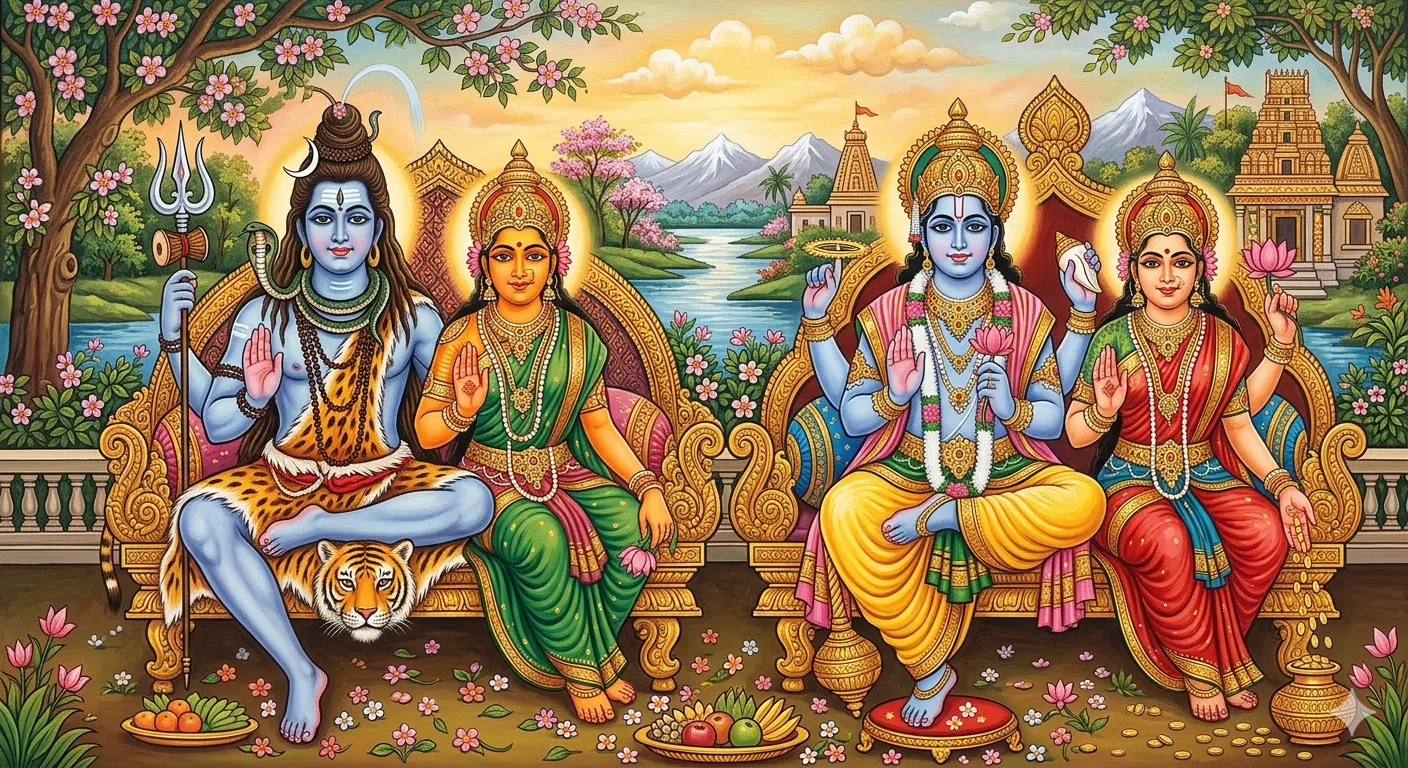
നിരവധി ദൈവങ്ങളുടെ അപൂർവ്വമായ സംഗമമാണ് ഈ ക്ഷേത്രത്തിന്റെ പ്രത്യേകത. ശിവനും ശക്തിയും വിഷ്ണുവും ഒരേ ഘടനയ്ക്ക് കീഴിൽ ഐക്യത്തോടെ വസിക്കുന്ന അതുല്യമായ ഒരു ആരാധനാലയമായി ഇത് ആഘോഷിക്കപ്പെടുന്നു.
ഉപദേവതകൾ
ഭക്തർക്ക് ക്ഷേത്ര സമുച്ചയത്തിനുള്ളിൽ നിരവധി ഉപദേവതകളെ ആരാധിക്കാം:
- ഗണപതി ഭഗവാൻ
- മുരുകൻ ഭഗവാൻ
- ശാസ്താവ്
- കൃഷ്ണൻ
- നാഗദേവതകൾ
- ലക്ഷ്മി ദേവി
- മഹാവിഷ്ണുവും ഭൂമിദേവിയും
പ്രധാന ഉത്സവങ്ങളും ആഘോഷങ്ങളും
കേരളത്തിന്റെ വിവിധ ഭാഗങ്ങളിൽ നിന്നുള്ള ആയിരക്കണക്കിന് തീർത്ഥാടകരെ ആകർഷിച്ചുകൊണ്ട് പരമ്പരാഗത വാർഷികാഘോഷ വേളകളിൽ ക്ഷേത്രം സജീവമാകുന്നു.
- നവരാത്രി: ദേവിയുടെ വിവിധ രൂപങ്ങൾക്കായി സമർപ്പിച്ചിരിക്കുന്ന ഒമ്പത് ദിവസത്തെ ഉത്സവം.
- മഹാശിവരാത്രി: ഭക്തർ രാത്രി മുഴുവൻ ഉറക്കമിളച്ച് വ്രതമനുഷ്ഠിക്കുകയും ശിവഭഗവാന് പ്രത്യേക പൂജകൾ അർപ്പിക്കുകയും ചെയ്യുന്നു.
- വാർഷികോത്സവം: പരമ്പരാഗത ക്ഷേത്ര ആചാരങ്ങളും സാംസ്കാരിക പരിപാടികളും ഉൾപ്പെടുത്തി മീനമാസത്തിൽ (മാർച്ച്-ഏപ്രിൽ) പത്ത് ദിവസം നീണ്ടുനിൽക്കുന്ന വലിയൊരു ഉത്സവം ഇവിടെ ആഘോഷിക്കപ്പെടുന്നു.