
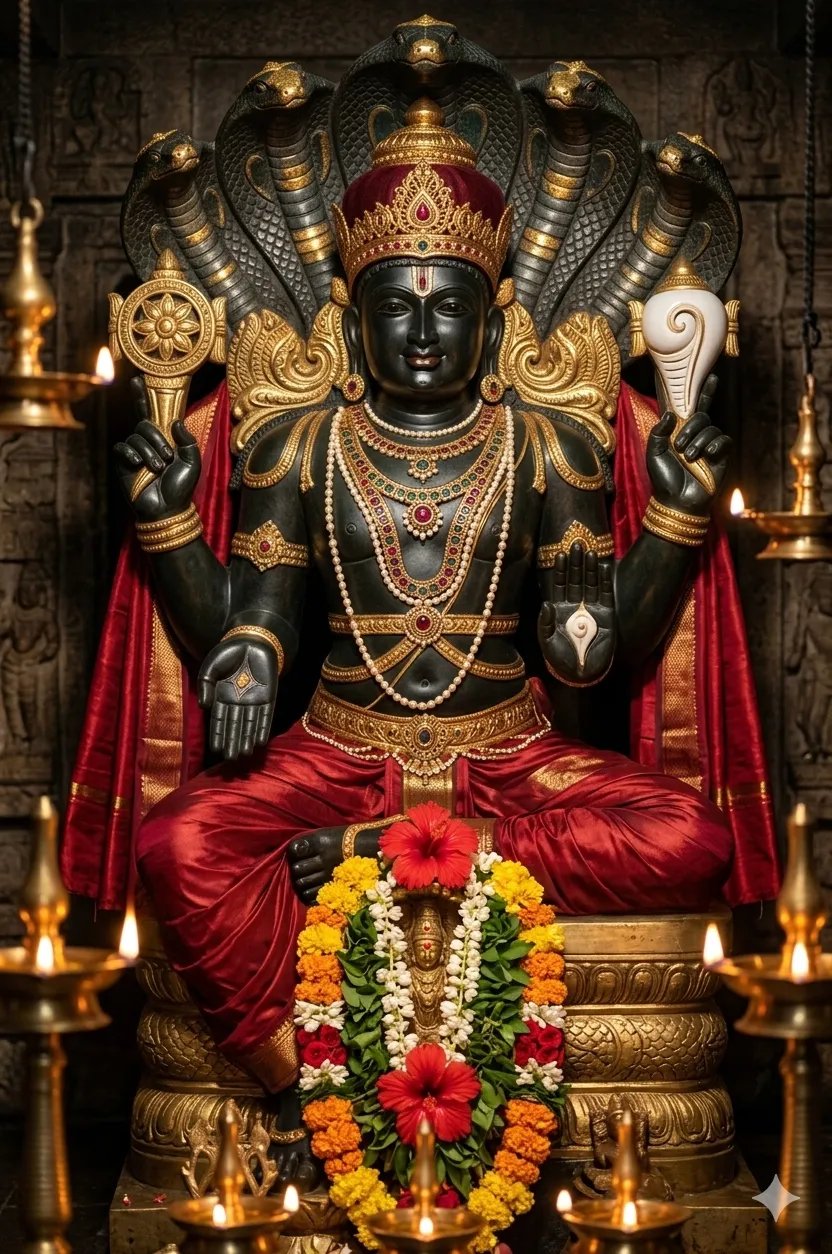
പത്മനാഭസ്വാമിയുടെ ദിവ്യമായ ഉത്ഭവം
കേരളത്തിന്റെ ഏറ്റവും വടക്കേ അറ്റത്ത്, കാസര്കോടിന്റെ ഭൂപ്രകൃതിയെ ധന്യമാക്കുന്ന ഒരു ശാന്തമായ ആത്മീയ വിസ്മയമുണ്ട്. മഹാവിഷ്ണുവിന് സമർപ്പിച്ചിരിക്കുന്ന അനന്തപുര ലേക്ക് ടെമ്പിൾ (അനന്തപുരം തടാക ക്ഷേത്രം), ദിവ്യചൈതന്യത്തിന്റെ ഒരു പ്രകാശഗോപുരമായി നിലകൊള്ളുന്നു. കൗതുകകരമെന്നു പറയട്ടെ, ഈ വിശുദ്ധ ഭൂമിക്ക് അഗാധമായ ഒരു ചരിത്രപ്രാധാന്യമുണ്ട്. ലോകപ്രശസ്തമായ തിരുവനന്തപുരം ശ്രീ പത്മനാഭസ്വാമി ക്ഷേത്രത്തിന്റെ ‘മൂലസ്ഥാനം’ (യഥാർത്ഥ ഇരിപ്പിടം) ആണിവിടമെന്നാണ് പ്രദേശത്തെ ജനങ്ങളുടെ വിശ്വാസം.
കേരളത്തിന്റെ രണ്ട് അറ്റങ്ങളുടെ ആത്മീയ സംഗമം
ഭൂമിശാസ്ത്രപരമായി, കേരളത്തിന്റെ ഇരു അറ്റങ്ങളെയും ബന്ധിപ്പിക്കുന്ന രണ്ട് അസാധാരണ ക്ഷേത്രങ്ങളാണിവ. അനന്തപുരം തടാക ക്ഷേത്രം കാസർകോട്ടെ വടക്കേ അതിർത്തി കാക്കുമ്പോൾ, തിരുവനന്തപുരത്തെ തെക്കൻ തീരത്തെ ശ്രീ പത്മനാഭസ്വാമി ക്ഷേത്രം സംരക്ഷിക്കുന്നു.
ഈ ഘടന ഒരു യാദൃശ്ചികത മാത്രമല്ല. ഈ ഇരട്ട വിശുദ്ധ ഇടങ്ങളിലൂടെ കേരളത്തിന്റെ ഭൗതിക അതിരുകൾ ഒരേ ആത്മീയ പാരമ്പര്യത്തിൽ അലിചേരുന്നു.
പ്രസിദ്ധനായ വില്വമംഗലം സ്വാമിയാരാണ് ഇവിടെ പ്രതിഷ്ഠാ കർമ്മങ്ങൾ നിർവഹിച്ചതെന്ന് ചരിത്രരേഖകൾ വ്യക്തമാക്കുന്നു. അദ്ദേഹത്തിന്റെ കാലഘട്ടത്തെക്കുറിച്ച് വ്യക്തമായ വിവരങ്ങൾ ലഭ്യമല്ലെങ്കിലും, വിവിധ കാലഘട്ടങ്ങളിലായി ഈ നാമത്തിൽ മൂന്ന് വിശുദ്ധന്മാർ ജീവിച്ചിരുന്നതായി ഐതിഹ്യങ്ങൾ പറയുന്നു. ആദ്യത്തെ വില്വമംഗലം ഒൻപതാം നൂറ്റാണ്ടിലും, മൂന്നാമത്തെയാൾ പതിനാറാം നൂറ്റാണ്ടിന്റെ അവസാനത്തിലും (ഏകദേശം എ.ഡി. 1585-ൽ) ജീവിച്ചിരുന്നു. രണ്ടാമത്തെയാൾ ഇവയ്ക്കിടയിലുള്ള നൂറ്റാണ്ടുകളിലായിരുന്നു.
അദ്ഭുതകരമായ തടാക ശ്രീകോവിലിനുള്ളിൽ
കേരളത്തിലെ തനിമയാർന്ന ഏക തടാക ക്ഷേത്രമാണ് അനന്തപുരം. ജലാശയത്തിന് ചുറ്റും കാണുന്ന പുരാതന അവശിഷ്ടങ്ങൾ ഇവിടെ പണ്ടൊരു വലിയ ക്ഷേത്രസമുച്ചയം ഉണ്ടായിരുന്നുവെന്ന് വ്യക്തമാക്കുന്നു. ഇന്ന് ജലാശയത്തിന് നടുവിലായി മനോഹരമായി നിലകൊള്ളുന്ന പ്രധാന ശ്രീകോവിലിൽ ഏഴ് വ്യത്യസ്ത പ്രതിഷ്ഠകളാണുള്ളത്.
പ്രധാന പ്രതിഷ്ഠയായ മഹാവിഷ്ണു രാജകീയ ഭാവത്തിൽ ഇരിക്കുമ്പോൾ, ഇരുവശങ്ങളിലുമായി ശ്രീഭൂമിദേവിയും ശ്രീദേവിയും നിലകൊള്ളുന്നു. അവർക്കരികിൽ ഹനുമാൻ സ്വാമിയും ഗരുഡനും ഭക്തിയോടെ നിൽക്കുന്നു. കൂടാതെ, ശ്രീകോവിലിന്റെ പുറത്തുവശങ്ങളിലായി പരമ്പരാഗത കൈവീശികൾ (വിശിരികൾ) പിടിച്ചുകൊണ്ട് മനോഹരമായി നിർമ്മിച്ച രണ്ട് നാഗകന്യകമാരുടെ രൂപങ്ങളുമുണ്ട്.
കടുശർക്കര യോഗത്തിന്റെ രഹസ്യം
ആദിയിൽ, അക്കാലത്തെ ശില്പികൾ ‘കടുശർക്കര യോഗം’ എന്ന અત્યંત സങ്കീർണ്ണമായ പാരമ്പര്യ ഔഷധ-മണ്ണ് മിശ്രിതം ഉപയോഗിച്ചാണ് ക്ഷേത്രത്തിലെ എല്ലാ വിഗ്രഹങ്ങളും നിർമ്മിച്ചത്. എന്നാൽ, 1972-ൽ ക്ഷേത്ര ഭരണസമിതി ഈ യഥാർത്ഥ രൂപങ്ങൾക്ക് പകരം പഞ്ചലോഹ വിഗ്രഹങ്ങൾ സ്ഥാപിച്ചു. കാഞ്ചി കാമകോടി പീഠത്തിന്റെ അന്നത്തെ തലവനായിരുന്ന ജയേന്ദ്ര সরസ്വതി നൽകിയ വിലമതിക്കാനാവാത്ത സംഭാവനയായിരുന്നു ഈ ലോഹ വിഗ്രഹങ്ങൾ.
ഈ മാറ്റത്തിനുശേഷം, ചുറ്റുമുള്ള പ്രദേശത്ത് വിശദീകരിക്കാനാവാത്ത പല പ്രയാസങ്ങളും കഷ്ടപ്പാടുകളും ഉണ്ടായി. തുടർന്ന്, ഈ ദൈവീക ഹിതം എന്താണെന്ന് അറിയാൻ ക്ഷേത്ര അധികാരികൾ ഒരു ദേവപ്രശ്നം നടത്തി. പരമ്പരാഗതമായ ആ പഴയ വിഗ്രഹ രൂപങ്ങൾ തന്നെ പുനഃസ്ഥാപിക്കാനാണ് ദൈവം ആഗ്രഹിക്കുന്നതെന്ന് ആ ചടങ്ങിൽ വ്യക്തമായി വെളിപ്പെട്ടു.
സസ്യാഹാരിയായ ബാബിയ എന്ന മുതലയുടെ ഐതിഹ്യം
വാസ്തുവിദ്യാ സൗന്ദര്യത്തിനപ്പുറം, ബാബിയ (അല്ലെങ്കിൽ ബാബിയൻ) എന്ന് പേരുള്ള ഒരു അസാധാരണ മുതലയിലൂടെ ഈ ക്ഷേത്രം ലോകപ്രശസ്തി നേടി. പതിറ്റാണ്ടുകളോളം ഈ അത്ഭുത ജീവി ക്ഷേത്രക്കുളത്തിൽ സമാധാനത്തോടെ ജീവിച്ചു. പൂജാരിമാർ ദിവസവും നൽകുന്ന മധുരമുള്ള നിവേദ്യമല്ലാതെ (ചോറും ശർക്കരയും ചേർന്നത്) മറ്റൊരു ഭക്ഷണവും അത് കഴിച്ചിരുന്നില്ല.
1945-ൽ നടന്ന ഞെട്ടിക്കുന്ന ഒരു സംഭവം ചരിത്രരേഖകളും നാടൻ പാട്ടുകളും ഓർമ്മിപ്പിക്കുന്നു. അന്ന് സമീപത്ത് ക്യാമ്പ് ചെയ്തിരുന്ന ഒരു ബ്രിട്ടീഷ് സൈനികൻ ക്ഷേത്രത്തിലെ മുതലയെ വെടിവെച്ചുകൊന്നു. വിചിത്രമെന്നു പറയട്ടെ, അന്ന് തന്നെ ആ സൈനികൻ അറിയപ്പെടാത്ത ഒരു ജീവിയുടെ ആക്രമണത്തിലൂടെ ദുരൂഹമായ സാഹചര്യത്തിൽ മരണപ്പെട്ടു. പിന്നീട് ഭക്തർ ആ കാവൽക്കാരനായ മുതലയ്ക്ക് ആദരപൂർവ്വമായ സംസ്കാര ചടങ്ങുകൾ നടത്തി.
ആശ്ചര്യകരമെന്നു പറയട്ടെ, അടുത്ത ദിവസം തന്നെ തടാകത്തിൽ മറ്റൊരു മുതല പ്രത്യക്ഷപ്പെട്ടു. അന്നുമുതൽ ഇന്നുവരെ, ഏത് സമയത്തും തടാകത്തിൽ ഒരേയൊരു മുതല മാത്രമാണ് ഉള്ളത്. സമുദ്രങ്ങളുടെ ദൈവമായ വരുണന്റെ അവതാരമായാണ് ഭക്തർ ഈ സസ്യാഹാരിയായ ശാന്തനായ കാവൽക്കാരനെ കാണുന്നത്.
വാസ്തുവിദ്യാ പ്രത്യേകതകളും രഹസ്യ തുരങ്കങ്ങളും
വാസ്തുശാസ്ത്രപരമായി, 10 ફૂટ-ൽ അധികം ഉയരമുള്ള തനതായ സർപ്പക്കട്ട് ശൈലിയിലുള്ള അതിരുകൾ ഈ ക്ഷേത്രത്തിനുണ്ട്. ഈ രൂപകൽപ്പന കാരണം, ഭക്തർ കുളത്തിന്റെ പുറം വശങ്ങളിലൂടെയാണ് പ്രദക്ഷിണം വെക്കുന്നത്.
കൂടാതെ, ക്ഷേത്രപരിസരത്ത് ശ്രദ്ധേയമായ രണ്ട് ഘടകങ്ങളുമുണ്ട്:
- വസന്തഘട്ടം: തെക്ക്-കിഴക്കേ മൂലയിൽ സ്ഥിതി ചെയ്യുന്ന ഒരു ഉയർന്നു നിൽക്കുന്ന ഗ്രാനൈറ്റ് തറ. പ്രത്യേക ഉത്സവ ചടങ്ങുകളിൽ ദൈവത്തെ ഇരുത്തുന്നത് ഇവിടെയാണ്.
- അപൂർവ്വമായ ഗണപതി സന്നിധി: പ്രധാന ദേവന്റെ വലതുവശത്ത് ഗണപതി ഇരിക്കുന്ന കേരളത്തിലെ മിക്ക ക്ഷേത്രങ്ങളിൽ നിന്നും വ്യത്യസ്തമായി, ഇവിടെ ഈ പ്രത്യേക പ്രതിഷ്ഠ വടക്കു-പടിഞ്ഞാറേ മൂലയിലാണ് സ്ഥിതി ചെയ്യുന്നത്.
തടാകത്തിന്റെ വലതുവശത്തെ മൂലയിലുള്ള ദുരൂഹമായ ഗുഹയാണ് ഇതിൽ ഏറ്റവും കൗതുകമുണർത്തുന്ന മറ്റൊരു കാര്യം. ഐതിഹ്യമനുസരിച്ച്, അനന്തപത്മനാഭ സ്വാമി ഈ ഭൂഗർഭ പാതയിലൂടെയാണ് തിരുവനന്തപുരം വരെ സഞ്ചരിച്ചത്. ഈ കാലാതീതമായ ഐതിഹ്യമാണ് ഇരു ക്ഷേത്രങ്ങളുടെയും പേരുകളും പാരമ്പര്യങ്ങളും ഇത്രയധികം ഇഴചേർന്നിരിക്കാൻ കാരണം.
കാസർകോട്ടെ ആകർഷകമായ ജലമേളകൾ (ബോട്ട് ഫെസ്റ്റിവൽ)
കുംഭമാസത്തിൽ (ഫെബ്രുവരി-മാർച്ച്) ഒരു ദിവസത്തെ ഉത്സവമായി ആഘോഷിക്കുന്ന ഈ ക്ഷേത്രത്തിൽ തിരുനാൾ ദിവസങ്ങളിൽ വലിയ ഉണർവ് അനുഭവപ്പെടുന്നു. ഈ ആഘോഷവേളകളിൽ, പ്രധാന പൂജാരി ഉത്സവ വിഗ്രഹത്തെ പരസ്പരം ബന്ധിപ്പിച്ച, മനോഹരമായി ദീപങ്ങൾ തെളിയിച്ച രണ്ട് വള്ളങ്ങളിൽ എഴുന്നള്ളിക്കുന്നു. ശ്രീകോവിലിന് ചുറ്റുമുള്ള ശാന്തമായ ജലാശയത്തിലൂടെ ഈ വള്ളങ്ങൾ പതുക്കെ നീങ്ങുമ്പോൾ, അത് രാജ്യത്തിന്റെ വിവിധ ഭാഗങ്ങളിൽ നിന്നുള്ള സന്ദർശകരെ ആകർഷിക്കുന്ന മനോഹരമായ ഒരു ആത്മീയ കാഴ്ചയായി മാറുന്നു.
ഉപദേവതകളുടെ പൂർണ്ണമായ പട്ടിക
ഈ ക്ഷേത്ര സമുച്ചയത്തിലെ മുഴുവൻ ആത്മീയ അന്തരീക്ഷവും കാണാൻ ആഗ്രഹിക്കുന്ന സന്ദർശകർക്ക് ദർശിക്കാവുന്ന മറ്റ് പ്രധാന പ്രതിഷ്ഠകൾ:
- ഭൂമിദേവി & ശ്രീദേവി
- ഹനുമാൻ സ്വാമി & ഗരുഡൻ
- നാഗകന്യകമാർ
- കർഷ്ണൻ, അനിരുദ്ധൻ, പ്രദ്യുമ്നൻ
- ഗോശാല കൃഷ്ണൻ
- ഗണപതി ഭഗവാൻ
- മഹിഷാസുര മർദ്ദിനി
- വനശാസ്താവ് (വനശാസ്ത്രി)
- വേട്ടക്കൊരുമകൻ (വേട്ടക്കാരൻ)
- രക്തേശ്വരി