
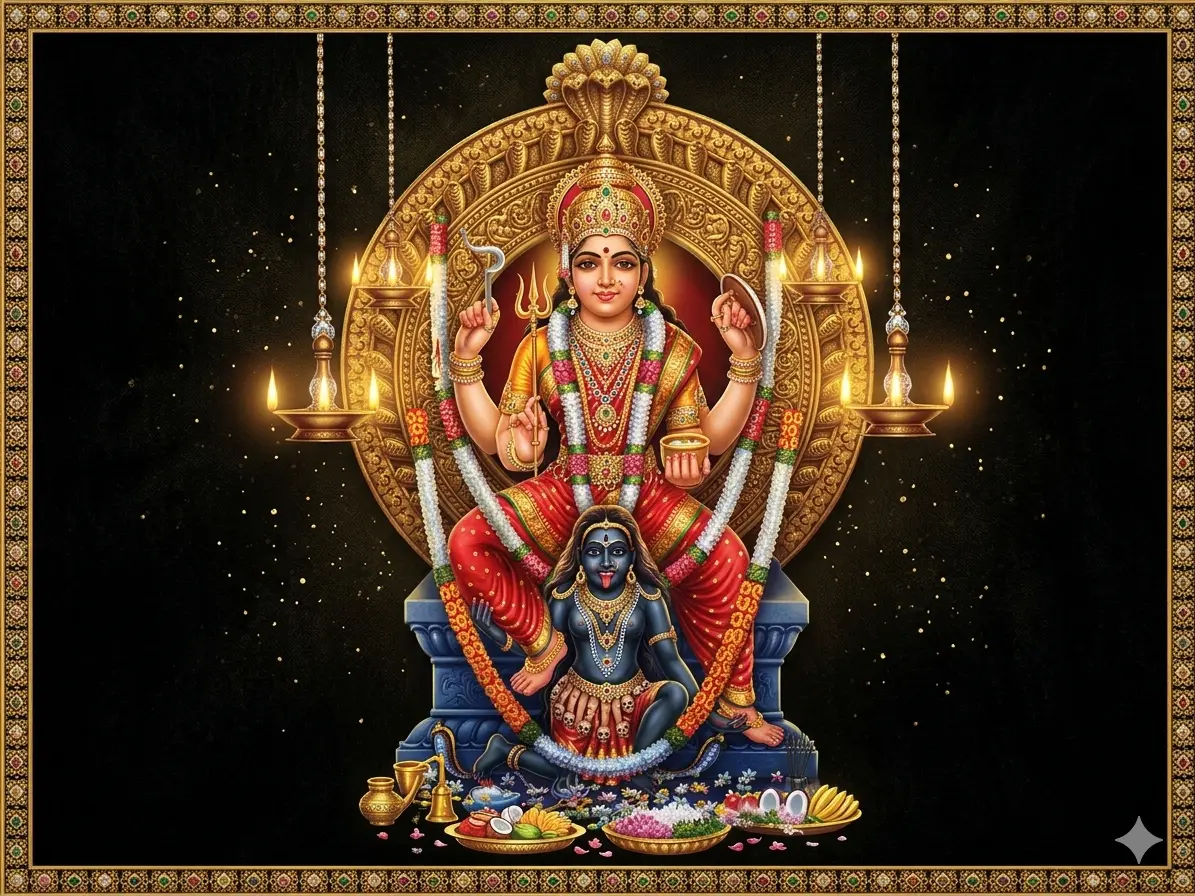
കേരളത്തിന്റെ സ്ത്രീകളുടെ ജീവസുറ്റ ഐതിഹ്യം: ആറ്റുകാൽ ഭഗവതി ക്ഷേത്രം
എല്ലാ വർഷവും തിരുവനന്തപുരത്തെ ഒരു ശാന്തമായ പ്രദേശം ഏതാനും കിലോമീറ്ററുകളോളം പരന്നുകിടക്കുന്ന ഒരു വലിയ തുറന്ന അടുക്കളയായി മാറുന്നു. ദശലക്ഷക്കണക്കിന് സ്ത്രീകൾ ഒത്തുകൂടുമ്പോൾ, അത് ഉത്തരേന്ത്യയിലെ പ്രശസ്തമായ കുംഭമേളയെ ഓർമ്മിപ്പിക്കുന്ന ഒരു ദിവ്യക്കാഴ്ചയായി മാറുന്നു. ഇത് ആറ്റുകാൽ ഭഗവതി ക്ഷേത്രത്തിലെ വാർഷിക മഹോത്സവമാണ്. പുരാതന ഇതിഹാസങ്ങളും അടിയുറച്ച ഭക്തിയും സമാനതകളില്ലാത്ത സമൂഹ സ്നേഹവും ഇഴചേർന്ന ഒരു പുണ്യസ്ഥലമാണിത്. ആഗോളതലത്തിൽ “സ്ത്രീകളുടെ ശബരിമല” എന്നറിയപ്പെടുന്ന ഈ പ്രാചീന ക്ഷേത്രത്തിന് കേരളത്തിന്റെ സാംസ്കാരിക ഭൂപടത്തിൽ സവിശേഷമായ സ്ഥാനമുണ്ട്.
കില്ലിയാറിലെ ദിവ്യ സാനിധ്യം
ചരിത്രപ്രസിദ്ധമായ മുല്ലവീട് കുടുംബത്തിലെ ഒരു പ്രായമായ ഭക്തനിൽ നിന്നാണ് ആറ്റുകാൽ ക്ഷേത്രത്തിന്റെ ഉത്ഭവ കഥ ആരംഭിക്കുന്നത്. നൂറ്റാണ്ടുകൾക്ക് മുമ്പ്, കില്ലിയാറിന്റെ തീരത്ത് പതിവ് സന്ധ്യാ പ്രാർത്ഥനകൾ നടത്തുമ്പോൾ, ഒരു ചെറിയ പെൺകുട്ടി അദ്ദേഹത്തിന്റെ അരികിലെത്തി. ഒഴുകിനടക്കുന്ന വെള്ളം മുറിച്ചുകടക്കാൻ അവൾ അദ്ദേഹത്തിന്റെ സഹായം അഭ്യർത്ഥിച്ചു. സന്ധ്യാസമയത്ത് ഒരു ചെറിയ കുട്ടി ഒറ്റയ്ക്കുള്ളത് കണ്ട് ആശ്ചര്യപ്പെട്ട ആ വൃദ്ധൻ സന്തോഷത്തോടെ അവളെ നദി കടത്തുകയും ഭക്ഷണം നൽകാനായി വീട്ടിലേക്ക് കൂട്ടിക്കൊണ്ടുപോകുകയും ചെയ്തു.
എന്നാൽ, വീട്ടിൽ പ്രവേശിച്ച് ഏതാനും നിമിഷങ്ങൾക്കുള്ളിൽ, ആ રહസ്യമയ കുട്ടി യാതൊരു പാടുമില്ലാതെ അപ്രത്യക്ഷയായി. അന്ന് രാത്രി ഉറങ്ങിക്കിടന്ന ആ വൃദ്ധന്റെ സ്വപ്നത്തിൽ ദേവി പ്രത്യക്ഷപ്പെട്ടു. അവൾ തന്റെ യഥാർത്ഥ സ്വരൂപം വെളിപ്പെടുത്തുകയും, അടുത്തുള്ള ഒരു പുണ്യകാവിലെ നിലത്ത് വരച്ച മൂന്ന് സമാന്തര വരകൾ അന്വേഷിക്കാൻ ആവശ്യപ്പെടുകയും ചെയ്തു. ആ പ്രത്യേക സ്ഥലത്ത് കുടിയിരിക്കാൻ താൻ ആഗ്രഹിക്കുന്നതായി അവൾ അറിയിച്ചു.
അടുത്ത ദിവസം രാവിലെ, ആ വൃദ്ധൻ കാവിലേക്ക് തിടുക്കത്തിൽ ചെന്ന് തന്റെ സ്വപ്നത്തിൽ വർണ്ണിച്ചതുപോലെയുള്ള അടയാളങ്ങൾ കണ്ടെത്തി. അതുകണ്ട് അത്യധികം വികാരാധീനനായ അദ്ദേഹം, ദേവിയെ പ്രതിഷ്ഠിക്കുന്നതിനായി ആ പുണ്യഭൂമിയിൽ ചെറുതും ലളിതവുമായ ഒരു ക്ഷേത്രം നിർമ്മിച്ചു.
ഒരു ലളിതമായ ക്ഷേത്രത്തിൽ നിന്ന് വാസ്തുവിദ്യാ മികവിലേക്ക്
പതിറ്റാടുകൾ കഴിഞ്ഞപ്പോൾ, ക്ഷേത്രത്തിന്റെ സംരക്ഷണവും പരിപാലനവും ചുമതല പ്രാചീനമായ തറവാടുകളെ ഏൽപ്പിച്ചു. 1896-ാം ആണ്ട് ക്ഷേത്ര ചരിത്രത്തിലെ ഒരു സുപ്രധാന വഴിത്തിരിവായിമാറി, കാരണം ആകെ നിർമ്മിതിയും ഒരു വലിയ നവീകരണത്തിന് വിധേയമായി.
ഈ ഘട്ടത്തിൽ, പഴുത്ത പ്ലാവുതടിയിൽ സൂക്ഷ്മമായി കൊത്തിയെടുത്തതും, ഒരു പവിത്രമായ ശാലগ্রাম ശില പതിപ്പിച്ചതുമായ ദേവിയുടെ നാലുകൈകളുള്ള മനോഹരമായ വിഗ്രഹം പ്രതിഷ്ഠിച്ചു. ശ്രദ്ധേയമായ കാര്യം, ഉത്തരേന്ത്യയുടെയും ദക്ഷിണേന്ത്യയുടെയും ആത്മീയ പാരമ്പര്യങ്ങളെ ഒന്നിപ്പിച്ചുകൊണ്ട്, ഹിമാലയത്തിലെ ആദരണീയമായ ബadrinath ക്ഷേത്രത്തിലെ മുഖ്യ പൂജാരിയായിരുന്ന ശ്രീ ശങ്കര ജ്യോത്സ്യരാണ് ചരിത്രപ്രസിദ്ധമായ ഈ പ്രതിഷ്ഠാ കർമ്മം നിർവഹിച്ചത്.
കണ്ണകിയുടെ കോപം: ഇതിഹാസ ബന്ധം
പുരാതന തമിഴ് ഇതിഹാസമായ ചിലപ്പതികാരത്തിലെ ദുരന്തനായികയായ കണ്ണകിയുടെ ദിവ്യ ഭാവമായാണ് ആറ്റുകാൽ ഭഗവതിയെ പ്രാദേശിക പാരമ്പര്യം തിരിച്ചറിയുന്നത്. പ്രശസ്ത ചേരരാജാവ് വേൾ കേഴു കുട്ടുവന്റെ സഹോദരനും കൊടുങ്ങല്ലൂരിൽ നിന്നുള്ള ജൈന രാജകുമാരനും കവിയുമായ ഇളങ്കോ അടികളാണ് ഈ അനശ്വര മാസ്റ്റർപീസ് രചിച്ചത്. പ്രാചീന ദക്ഷിണേന്ത്യൻ ക്ലാസിക്കൽ സാഹിത്യത്തിലെ അഞ്ച് മഹത്തായ സാഹിത്യ കൃതികളിൽ ഒന്നായി ഈ ഇതിഹാസം ആദരിക്കപ്പെടുന്നു.
“കണ്ണകിയുടെ കഥ സ്നേഹത്തിന്റെയും ചതിയുടെയും അന്തിമ നീതി നിഷേധത്തിന്റെയും, രാജ്യങ്ങളെത്തന്നെ മാറ്റിമറിച്ച കടുത്ത പ്രതികാരശക്തിയുടെയും ആഴത്തിലുള്ള ഒരു ആഖ്യാനമാണ്.”
കാവേരിപൂമ്പട്ടണം എന്ന പുരാതന തുറമുഖ നഗരത്തിലാണ് ഇതിഹാസം ആരംഭിക്കുന്നത്. അവിടെ വെച്ച് കണ്ണകി കോവലൻ എന്ന ധനികനായ വ്യാപാരിയെ വിവാഹം കഴിച്ചു. നിർഭാഗ്യവശാൽ, കോവലൻ മാധവി എന്ന നർത്തകിയിൽ ആകൃഷ്ടനാവുകയും തന്റെ മുഴുവൻ സമ്പത്തും അവൾക്കായി ചെലവഴിക്കുകയും ചെയ്തു. ഒടുവിൽ തന്റെ തെറ്റ് മനസ്സിലാക്കിയ പണക്കാരനല്ലാത്ത കോവലൻ മാപ്പഭ്യർത്ഥിച്ചുകൊണ്ട് തന്റെ വിശ്വസ്തയായ ഭാര്യയുടെ അടുക്കലേക്ക് മടങ്ങിയെത്തി. കണ്ണകി അദ്ദേഹത്തെ സ്നേഹത്തോടെ സ്വീകരിക്കുകയും, ദമ്പതികൾ തങ്ങളുടെ ജീവിതം പുനർനിർമ്മിക്കാൻ മധുര നഗരത്തിലേക്ക് 250 കിലോമീറ്ററിലധികം നടക്കുകയും ചെയ്തു.
രാജ്ഞിയുടെ വിലപിടിപ്പുള്ള ചിലമ്പ് കോവലൻ മോഷ്ടിച്ചു എന്ന് മധുരയിൽ വെച്ച് വ്യാജമായി ആരോപിക്കപ്പെട്ടു. ന്യായമായ വിചാരണ കൂടാതെ, ഭരണാധികാരിയായ പാണ്ഡ്യ രാജാവ് കോവലനെ ഉടൻ വധിക്കാൻ ഉത്തരവിട്ടു. ദുഃഖവും കോപവും പൂണ്ട കണ്ണകി രാജസഭയിലേക്ക് ഇരച്ചുകയറി തന്റെ ഭർത്താവിന്റെ നിരപരാധിത്വം നാടകീയമായി തെളിയിച്ചു. താൻ ചെയ്ത അനീതിയുടെ ആഴത്തിൽ മനംനൊന്ത് രാജാവ് ശുദ്ധമായ കുറ്റബോധത്താൽ സിംഹാസനത്തിൽ വെച്ച് തന്നെ മരണമടഞ്ഞു.
എന്നിട്ടും, കണ്ണകിയുടെ കോപം അടങ്ങിയിരുന്നില്ല. അവൾ തന്റെ ഇടത്തെ മുല പറിച്ച് നഗരമതിലുകളിലേക്ക് എറിയുകയും, മധുര നഗരം ചാம்பലാകാൻ ശപിക്കുകയും ചെയ്തു. നഗരം തീജ്വാലകളിൽ അമർന്നതിന് ശേഷം, അവൾ കേരളത്തിലേക്ക് തെക്കോട്ട് നടന്നു. ആറ്റുകാൽ ഗ്രാമത്തിലെ പ്രാദേശിക ഗോത്രവർഗ്ഗക്കാർ അവളുടെ അപാരമായ ദൈവത്വം തിരിച്ചറിയുകയും അവളുടെ കോപം ശമിപ്പിക്കാൻ ‘പൊങ്കാല’ അർപ്പിക്കുകയും ചെയ്തു എന്ന് ഐതിഹ്യം പറയുന്നു. കൊടുങ്ങല്ലൂരിലേക്കുള്ള യാത്രയിൽ, വിശ്രമിക്കാനും സുഖം പ്രാപിക്കാനുമായി കണ്ണകി ആറ്റുകാലിന്റെ ശാന്തമായ ഗ്രാമമാണ് തിരഞ്ഞെടുത്തത്.
വിശ്വാസത്തിന്റെ വിസ്മയം: ഗിന്നസ് ലോക റെക്കോർഡ്
ഇന്ന്, ആറ്റുകാൽ ഭഗവതി ക്ഷേത്രം വാർഷിക പൊങ്കാല മഹോത്സവത്തിന് ലോകമെമ്പാടും പ്രശസ്തമാണ്. ലോകത്തിലെ സ്ത്രീകളുടെ ഏറ്റവും വലിയ മതസംഗമം എന്ന പദവി ഇതിലൂടെ ഈ ക്ഷേത്രത്തിന് ലഭിച്ചു. 2017-ൽ, ഏകദേശം 5 ദശലക്ഷം സ്ത്രീകൾ ക്ഷേത്രത്തിൽ ഒത്തുകൂടിയപ്പോൾ ക്ഷേത്ര അധികാരികൾ ഗിന്നസ് ബുക്ക് ഓഫ് വേൾഡ് റെക്കോർഡ്സിൽ ഇടം നേടി.
ഈ വിശേഷ ദിവസത്തിൽ, തിരുവനന്തപുരം തലസ്ഥാന നഗരി മുഴുവൻ ഒരു വലിയ പുണ്യ അടുക്കളയായി മാറുന്നു. ജില്ലാ ഭരണകൂടം ജില്ലയ്ക്ക് ഔദ്യോഗിക പൊതുவிடுപ്പ് പ്രഖ്യാപിക്കുന്നു, കൂടാതെ ക്ഷേത്രത്തിന് ചുറ്റുമുള്ള അഞ്ച് കിലോമീറ്റർ ചുറ്റളവ് വനിതാ ഭക്തർക്കായി മാത്രമായി മാറ്റിവെക്കുന്നു. ഈ മഹാസംഗമം പങ്കുവെച്ച വിശ്വാസത്തിന്റെയും തികഞ്ഞ ഐക്യത്തിന്റെയും ശ്വാസം അടക്കിപ്പിടിക്കുന്ന ഒരു കാഴ്ചയാണ് നൽകുന്നത്.
പുണ്യ ഗർഭഗൃഹവും ചരിത്രപരമായ അടയാളങ്ങളും
ക്ഷേത്രത്തിന്റെ ഉള്ളറയിൽ ദേവിയുടെ രണ്ട് വ്യത്യസ്ത വിഗ്രഹങ്ങളുണ്ട്. മൂല വിഗ്രഹം എന്ന് അറിയപ്പെടുന്ന പ്രധാന വിഗ്രഹം, വിലയേറിയ രത്നങ്ങൾ പതിച്ച മനോഹരമായ സ്വർണ്ണ കവചത്താൽ അണിയിച്ചൊരുക്കിയിരിക്കുന്നു. ഇതിനോട് ചേർന്ന് നിത്യപൂജകൾക്കായി ഉപയോഗിക്കുന്ന രണ്ടാമത്തെ ചെറിയ വിഗ്രഹം സ്ഥിതി ചെയ്യുന്നു.
ശാന്തമായ ക്ഷേത്ര പരിസരം തലമുറകളായി ആത്മീയ അന്വേഷകരെ ആകർഷിച്ചിട്ടുണ്ട്. കേരളത്തിലെ ഏറ്റവും ആദരണീയരായ സാമൂഹിക പരിഷ്കർത്താക്കളിൽ ഒരാളായ ശ്രീ വിദ്യാധിരാജ ചട്ടമ്പി സ്വാമികൾ, തന്റെ തീവ്രമായ ആത്മീയ ധ്യാനങ്ങൾക്കായി ഈ ക്ഷേത്ര മുറ്റത്തിന്റെ ശാന്തതയാണ് പ്രധാനമായും തിരഞ്ഞെടുത്തത്.
പ്രത്യേക ആചാരങ്ങൾ: കുത്തിയോട്ടവും താലപ്പൊലിയും
ഇളമുറക്കാരെ സജീവമായി ഉൾപ്പെടുത്തിക്കൊണ്ടും കുടുംബങ്ങളിലൂടെ പാരമ്പര്യങ്ങൾ കൈമാറിക്കൊണ്ടും ക്ഷേത്രം നിരവധി സവിശേഷ ആചാരങ്ങൾ സംരക്ഷിക്കുന്നുണ്ട്.
കുത്തിയോട്ട വ്രതം
പന്ത്രണ്ട് വയസ്സിന് താഴെയുള്ള ആൺകുട്ടികൾ അനുഷ്ഠിക്കുന്ന കർശനമായ ആത്മീയ അനുഷ്ഠാനമാണ് കുത്തിയോട്ടം. ഈ കുട്ടികളെ മഹിഷാസുരമർദ്ദിനി ദേവിയുടെ മുറിവേറ്റ ഭടന്മാരായാണ് സങ്കൽപ്പിക്കുന്നത്. കുട്ടികൾ ഏഴ് ദിവസം ക്ഷേത്ര അങ്കണത്തിൽ തങ്ങി കർശനമായ ആഹാരക്രമം പാലിച്ച്, ദേവിക്ക് മുന്നിൽ 1,008 പ്രാവശ്യം പൂർണ്ണ നമസ്കാരം (സാഷ്ടാംഗ നമസ്കാരം) ചെയ്യണം.
താലപ്പൊലിയുടെ മനോഹാരിത
ഇതിന് വിപരീതമായി, പതിനൊന്ന് വയസ്സിന് താഴെയുള്ള പെൺകുട്ടികൾ മനോഹരമായ തലപ്പൊലി ഘോષയാത്രയിൽ പങ്കെടുക്കുന്നു. പരമ്പരാഗത കേരള വസ്ത്രങ്ങൾ ധരിച്ച്, പുതിയ പൂക്കൾ കൊണ്ടുള്ള മനോഹരമായ കിരീടങ്ങൾ അണിഞ്ഞ്, അവർ പൂക്കൾ, അരി, അടയ്ക്ക, തേങ്ങ എന്നിവ നിറഞ്ഞ ചെറിയ തട്ടുകൾ കുന്നേന്തി നടക്കുന്നു. പങ്കെടുക്കുന്ന കുട്ടികളുടെ ആയുരാരോഗ്യത്തിനും ഐശ്വര്യത്തിനും സന്തോഷത്തിനുമായാണ് ഈ വർണ്ണാഭമായ ഘോഷയാത്ര നടത്തുന്നത്.
ഉപദേവന്മാർ
- മഹാദേവൻ (ശിവൻ)
- ഗണപതി
- മടൻ തമ്പുരാൻ
പ്രധാന ഉത്സവം
- കുംഭ മാതത്തിൽ (ഫെബ്രുവരി-മാർച്ച്) നടക്കുന്ന 10 ദിവസത്തെ വാർഷിക മഹോത്സവം.
Attukal Bhagavathi Temple Official

Nearest railway station: Thiruvananthapuram
Nearest airport: Thiruvananthapuram