

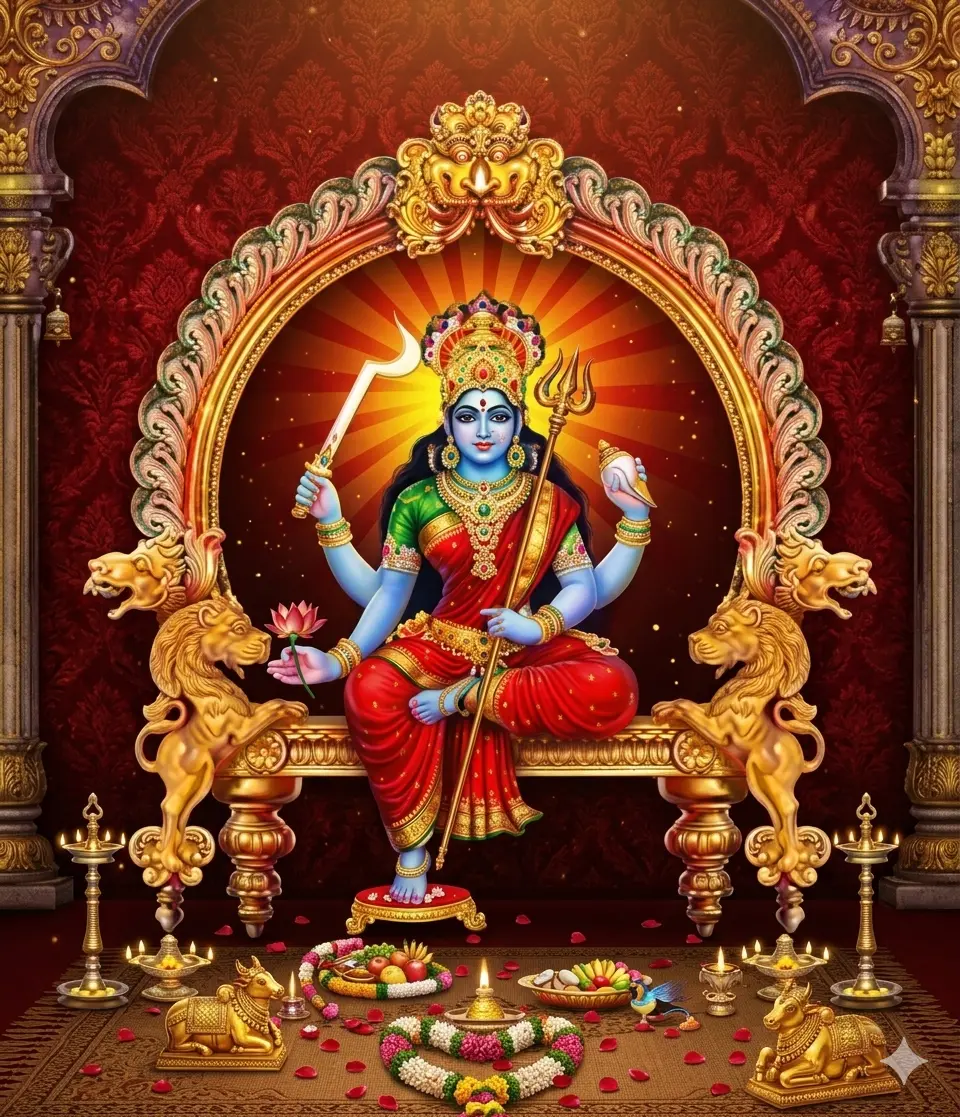
ചരിത്രവും ഐതിഹ്യങ്ങളും രാജകീയ ആചാരങ്ങളും (History, Legends, and Royal Rituals)
ആറ്റിങ്ങൽ എന്ന ചരിത്രപ്രസിദ്ധമായ പട്ടണത്തിന് തിരുവിതാംകൂർ രാജകുടുംബവുമായി വളരെ പുരാതനവും ആഴമേറിയതുമായ ബന്ധമാണുള്ളത്. ഇവിടുത്തെ ഭരണാധികാരികൾ ആറ്റിങ്ങലിൽ തങ്ങളുടെ കോട്ട നിർമ്മിച്ചതോടൊപ്പം തിരുവാറട്ടുകാവ് ക്ഷേത്രവും സ്ഥാപിച്ചു. നൂറ്റാണ്ടുകളിലൂടെ ഈ ക്ഷേത്രം ഈ പ്രദേശത്തെ പ്രധാനപ്പെട്ട ഒരു ആത്മീയ കേന്ദ്രമായി വളർന്നു. വേണാട് രാജവംശം ഇവിടുത്തെ പ്രതിഷ്ഠയെ തങ്ങളുടെ പരദേവതയായിട്ടാണ് പാരമ്പര്യമായി കണക്കാക്കുന്നത്. രാജകീയ പാരമ്പര്യവും നൂറ്റാണ്ടുകൾ പഴക്കമുള്ള അദ്വിതീയ ആചാരങ്ങളും സംഗമിക്കുന്ന ഒരു അനശ്വര സ്മാരകമായി ഇന്ന് ഈ ക്ഷേത്രം നിലകൊള്ളുന്നു.
ആറ്റിങ്ങൽ തിരുവാറട്ടുകാവ് ക്ഷേത്രത്തിന്റെ ഉത്ഭവം
സിംഹാസനത്തിന് നേരിട്ട് അനന്തരാവകാശികൾ ഇല്ലാതിരുന്ന ഒരു വലിയ പ്രതിസന്ധിയെ രാമവർമ്മ കുലശേഖര സംഗ്രമാധീരൻ എന്ന രാജാവ് നേരിട്ടിരുന്നു എന്ന് ചരിത്രരേഖകൾ വ്യക്തമാക്കുന്നു. രാജവംശത്തിന്റെ തുടർച്ച ഉറപ്പാക്കുന്നതിനായി, വടക്കേ കേരളത്തിലെ പ്രമുഖ രാജകുടുംബങ്ങളിൽ നിന്ന് രാജകുമാരിമാരെ രാജാവ് ദത്തെടുത്തു. തുടർന്ന് തെക്കൻ പ്രവിശ്യകളുടെ പരമാധികാരി രാജ്ഞിമാരായി അദ്ദേഹം അവരെ നിയമിച്ചു.
കണ്ണൂരിലെ തന്റെ സ്വന്തം ഭവനത്തിൽ നിന്ന് പുറപ്പെടുന്നതിന് മുൻപ്, ദത്തെടുക്കപ്പെട്ട രാജ്ഞിമാരിൽ ഒരാളായ പാർവ്വതി ഭായിക്ക് അഗാധമായ ഒരു ആത്മീയ സ്വപ്നമുണ്ടായി. ഈ ദർശനത്തിൽ, തന്റെ പരദേവതയായ മാടായിക്കാവ് ഭഗവതി തന്നോടൊപ്പം തെക്കൻ പ്രദേശങ്ങളിലേക്ക് വരാനുള്ള അതിയായ ആഗ്രഹം പ്രകടിപ്പിച്ചു.
അതിൻ്റെ ഫലമായി, ആറ്റിങ്ങലിലേക്കുള്ള യാത്ര ആരംഭിക്കുന്നതിന് മുൻപ്, മാടായിക്കാവ് ഭഗവതിയുടെ ദിവ്യചൈതന്യം പൂജാരിമാർ രാജ്ഞിയുടെ ഔദ്യോഗിക വാളിലേക്ക് (നടക്കം വാൾ) ആവാഹിച്ചു. ഈ വിശുദ്ധ ആയുധം രാജ്ഞി തന്റെ പുതിയ ദേശത്തേക്ക് അതീവ ശ്രദ്ധയോടെ കൊണ്ടുപോന്നു. അവിടെയെത്തിയപ്പോൾ, ദേവിക്കായി ഒരു പുതിയ ക്ഷേത്രം നിർമ്മിക്കുന്നതിനായി അനുയോജ്യമായ ഒരു സ്ഥലം അവർ അന്വേഷിച്ചു. ഒടുവിൽ നിലവിലുള്ള ഒരു നാഗയക്ഷി ക്ഷേരത്തിന് അടുത്തുള്ള ഒരു സ്ഥലം അവർ തിരഞ്ഞെടുത്തു. അങ്ങനെ 1307 എ.ഡി.-യിൽ ആറ്റിങ്ങൽ തിരുവാറട്ടുകാവ് ക്ഷേത്രം ഔദ്യോഗികമായി സ്ഥാപിക്കപ്പെട്ടു.
അപൂർവ്വമായ അരിയിട്ട് വാഴ്ച ചടങ്ങും രാജകീയ പിഴകളും
ഇവിടെ സംരക്ഷിക്കപ്പെടുന്ന വിവിധ ചടങ്ങുകളിൽ ഏറ്റവും പ്രധാനപ്പെട്ടതും രഹസ്യസ്വഭാവമുള്ളതുമായ ഒന്നാണ് അരിയிட்டுവാഴ്ച. ഈ വാർഷിക ചടങ്ങിനിടയിൽ, പൂജാരിമാർ വിഗ്രഹത്തിന് മേൽ ഉണക്കലരി (പച്ചരി) വർഷിച്ച് വിശുദ്ധ അഭിഷേകം നടത്തുന്നു. രസകരമെന്ന് പറയട്ടെ, ഈ മുഴുവൻ അരിമണികളിൽ ഭൂരിഭാഗവും ദേവിയെ തൊടുന്ന കൃത്യം ആ നിമിഷത്തിൽ തന്നെ പൊടിയുന്നുവെന്നാണ് ക്ഷേത്ര ആചാരം വ്യക്തമാക്കുന്നത്. ഈ വിശുദ്ധ പൂജാ അരിയിൽ കുറച്ച് മണികൾ തങ്ങളുടെ വീട്ടിൽ സൂക്ഷിക്കുന്നത് ആയുഷ്കാല മുഴുവൻ സമൃദ്ധി നൽകുമെന്ന് ഇവിടുത്തെ ഭക്തർ ദൃഢമായി വിശ്വസിക്കുന്നു.
ചരിത്രപരമായി നോക്കിയാൽ, അരിയிட்டுവാഴ്ച ഉത്സവ സമയത്ത് തിരുവിതാംകൂർ രാജാവിന്റെ സാന്നിധ്യം നിർബന്ധവും ഒഴിച്ചുകൂടാനാവാത്തതുമായിരുന്നു. ചടങ്ങിൽ പങ്കെടുക്കുന്നതിൽ ഭരണാധികാരിയായ രാജാവ് പരാജയപ്പെട്ടാൽ, പ്രായശ്ചിത്തമെന്ന നിലയിൽ അദ്ദേഹം ക്ഷേത്രത്തിന് വലിയൊരു പിഴ ഒടുക്കേണ്ടിയിരുന്നു. രാജാവിന് 14 പവൻ സ്വർണ്ണമാലയും ഒരു ജീവനുള്ള ആനയെയും ദേവിക്ക് സമർപ്പിക്കേണ്ടതായിരുന്നു ഈ കർശനമായ രാജകീയ പ്രായശ്ചിത്തം.
ദാക്ഷായണി: ചരിത്രപ്രസിദ്ധമായ ക്ഷേത്ര ആന
ഈ നിർബന്ധിത രാജകീയ പിഴ കാരണം, തലമുറകളിലൂടെ ക്ഷേത്രത്തിന്റെ തിരുമേനിയിലേക്ക് നിരവധി ആനകൾ ലഭിച്ചു. ദേവിക്ക് സമ്മാനമായി നൽകപ്പെട്ട അത്തരത്തിലുള്ള അഞ്ച് വയസ്സുള്ള ഒരു ആനക്കുട്ടി പിന്നീട് അന്താരാഷ്ട്ര പ്രശസ്തി നേടി.
ചെങ്കല്ലൂർ ദാക്ഷായണി എന്നറിയപ്പെടുന്ന അവൾ, ക്ഷേത്രത്തിലേക്ക് സമ്മാനമായി നൽകപ്പെട്ടതിന് ശേഷം ക്ഷേത്ര പരിസരത്താണ് വളർന്നത്. 2017-ഓടെ ദാക്ഷായണി 87-ആം വയസ്സിൽ എത്തിച്ചേരുകയും, ഏഷ്യയിലെ ഏറ്റവും പ്രായംകൂടിയ ജീവനുള്ള വളർത്തു ആനയെന്ന ഔദ്യോഗിക പദവി നേടുകയും ചെയ്തു. അവൾ വിടപറയുന്നത് വരെ ക്ഷേത്രത്തിന്റെ രാജകീയ ചരിത്രത്തിന്റെ പ്രിയപ്പെട്ട പ്രതീകമായി നിലകൊണ്ടു.
പ്രതിഷ്ഠകളും അപൂർവ്വമായ സപ്തമാതൃക്കളുടെ ശ്രീകോവിലും
ക്ഷേത്രത്തിന്റെ വാസ്തുശില്പ ഘടനയിൽ അപൂർവ്വമായ ശില്പകല കാണാൻ സാധിക്കും. പ്രധാന ശ്രീകോവിലിൽ ഒരൊറ്റ ഒറ്റക്കല്ലിൽ കൊത്തിയെടുത്ത സപ്തമാതൃക്കളുടെ (ഏഴ് മാതൃ ദേവതകൾ) അസാധാരണമായ ഒരു രൂപമുണ്ട്. മറ്റ് സ്ഥലങ്ങളിൽ കാണപ്പെടുന്ന പരമ്പരാഗതമായ ഇരിക്കുന്ന രൂപങ്ങളിൽ നിന്ന് വ്യത്യസ്തമായി, ഈ ദേവതകൾ നിൽക്കുന്ന ഭാവത്തിലാണ് അദ്വിതീയമായി കൊത്തിവെക്കപ്പെട്ടിരിക്കുന്നത്. ഈ ദിവ്യഗണത്തിൽ ഉൾപ്പെടുന്നവർ:
- ചാമുണ്ഡി
- ബ്രാഹ്മി
- മഹേശ്വരി
- കൗമാരി
- വൈഷ്ണവി
- വരാഹി
- ഇന്ദ്രാണി
കൂടാതെ, നിരവധി ഉപദേവതകളും ക്ഷേത്രപരിസരത്ത് വാഴുന്നുണ്ട്. മഹാഗണപതി, ശാസ്താവ്, കിരാതമൂർത്തികൾ, ശിവലിംഗം, നാഗയക്ഷി, ಕ್ಷೇತ್ರപാലകൻ, ബ്രഹ്മരക്ഷസ്സ്, വീരഭദ്രൻ എന്നിവരുടെ ഉപദേവതാ പ്രതിഷ്ഠകളിൽ തീർത്ഥാടകർ പതിവായി പ്രാർത്ഥനകൾ അർപ്പിക്കുന്നു.
തിരുവാറട്ടുകാവ് ക്ഷേത്രത്തിലെ പ്രധാന ഉത്സവങ്ങൾ
സംസ്ഥാനത്തിന്റെ വിവിധ ഭാഗങ്ങളിൽ നിന്നുള്ള ഭക്തരെ ആകർഷിക്കുന്ന മൂന്ന് പ്രധാന വാർഷിക ആഘോഷങ്ങൾ ക്ഷേത്ര കലണ്ടറിലുണ്ട്. മലയാള മാസം മകരത്തിൽ (ജനുവരി-ഫെബ്രുവരി) പത്ത് ദിവസം നീണ്ടുനിൽക്കുന്നതാണ് പ്രധാന വാർഷിക ഉത്സവം. അതോടൊപ്പം, താന്ത്രിക ആചാരങ്ങൾ കർശനമായി പാലിച്ച് മൂന്ന് ദിവസത്തെ കൊടിയേറ്റുത്സവവും ആചരിക്കപ്പെടുന്നു.
- മീനം (മാർച്ച്-ഏപ്രിൽ) മാസത്തിൽ ആഘോഷിക്കപ്പെടുന്ന പത്ത് ദിവസത്തെ പൂരംകുളി ഉത്സവമാണ് മൂന്നാമത്തെ പ്രധാനപ്പെട്ട ചടങ്ങ്. ശ്രദ്ധേയമായ കാര്യം, കേരളത്തിന്റെ ഭൂപ്രകൃതിയിൽ പൂരംകുളി ആചാരം വളരെ അപൂർവ്വമാണ് എന്നതാണ്. വടക്കേ കേരളത്തിലെ യഥാർത്ഥ മാടായിക്കാവ് ക്ഷേത്രമുൾപ്പെടെ വെറും രണ്ട് ക്ഷേത്രങ്ങളിൽ മാത്രമാണ് ഇത് പ്രത്യേകമായി നടത്തപ്പെടുന്നത്.